

An article written by PYA Principal Tynan Kugler and Healthcare Consulting Manager Katie Ray is featured in the first 2021 edition of the Association of Healthcare Internal Auditors New Perspectives. “Medical Practice Audits—Assess Operations and Compliance” provides guidance on efficient and effective audits for medical practices, and how to navigate new regulations related to COVID-19. But being in the healthcare industry adds a layer of complexity to even the most generic of accounting needs. Let’s take a closer look at some of the extra steps for medical practices. Implementing effective revenue cycle management practices involves optimizing processes from patient scheduling to claim submission and payment collection. Proper documentation of patient encounters, procedures, and services is crucial for billing accuracy.

Healing Healthcare Finances: The Power of Cashback Cards
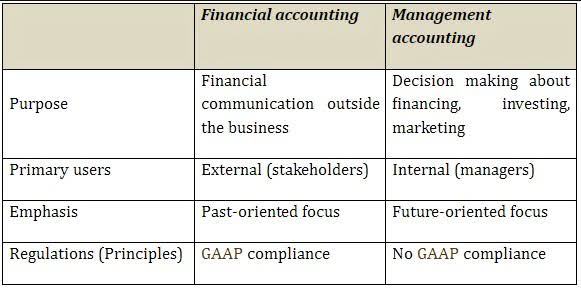
This should not be limited to who should come in periodically to audit the medical practices finances and bookkeeping practices? the management alone but extendedto members of staff within the organization. The AAPC Thought Leadership Team is a distinguished consortium of experts, visionaries, and thought leaders committed to shaping the landscape in the industry. With a deep understanding of the profound impact our industry has on society, this council serves as a guiding force, driving the development and implementation of ethical standards in coding practices.

The Cure for Overspending: Cashback Cards for Medical Clinics
- This should not be limited to the management alone but extendedto members of staff within the organization.
- Record auditing will not only saveyou from keeping incorrect codes ignorantly, it will also save your businessfrom embarrassment before the law.
- Choose a software provider that offers reliable customer support to assist with any technical issues or questions that may arise.
- Responding quickly and accurately can often lead to a smoother audit process.
- If it does not, you will need to assess the costs of upgrading the system.
Adhering to bookkeeping best practices enables easy access to financial data. It makes it easy for stakeholders to quickly retrieve crucial data for in-depth analysis and comparison. Bookkeeping is the systematic process of recording financial transactions in a company. A bookkeeper will periodically identify, record, summarize, and report the financial activities of a business. Leveraging accounting software can greatly aid this process, providing automated tracking and reporting features that reduce manual errors and save time. Understanding basic bookkeeping principles like the differences between assets, liabilities, income, and expenses is essential.

Maximize revenues, avoid violations
Establish a document retention schedule that aligns with industry regulations. Different types of financial documents may need to be retained for varying periods of time. Create subcategories within each main category to further categorize expenses. For instance, under “Supplies,” you might have subcategories like medical equipment, office supplies, and pharmaceuticals. In essence, bookkeeping is the foundational step that provides the raw data, while accounting involves the interpretation and analysis of that data to derive meaningful insights.
Of course, a new practice can start things off right, maintaining a balance sheet from Bookkeeping for Veterinarians day one. And so, what we call “The Great Gather” begins, the process of finding all the materials that your accounting advisor will need to do their job well. Gathering all this documentation can be challenging for some practice owners, particularly if they have not been organized throughout the process of developing their business. Regularly review your income, expenses and profits to calculate and pay these taxes on time. If the results of the assessment show that one physician or other provider has the lion’s share of missed charges or errors, address the issue head on. He or she might benefit from some CME courses focused on coding or a few sessions with someone in your practice who is most expert in coding.
Inventory

Meticulous financial statements will help you plan tax filing well in advance. Additionally, you can analyze the revenue and expense patterns to identify potential tax-saving opportunities and take advantage of available tax benefits. With the global accounting software market expected to reach $36.27 billion in 2025, businesses increasingly invest in technology to keep their financial activities in check. Incorporating the expertise of a dental CPA or a specialized accounting firm can offer valuable insights and financial guidance to improve the overall financial management of a dental practice. Ready-to-use templates for managing bookkeeping, financial reporting, and tax filing.
- These edits identify errors related to bundling, diagnosis coding, medical necessity and modifier use.
- If a healthcare organization employs nonphysician practitioners, it’s a good idea to conduct an audit to verify compliance with incident-to rules.
- It involves matching the transactions recorded in the practice’s books with those listed on the bank statement.
- Free up time in your firm all year by contracting monthly bookkeeping tasks to our platform.
- That incudes billing promptly for each procedure and using the proper current procedure terminology (CPT) code to avoid delays or inadvertently undercharging for services.
- In order to help you stay financially robust and ensure sustained growth, you’ll need to adopt the mindset of a pro CFO.
An IRO acts as a third-party medical review resource that provides objective, unbiased audits and reports. An auditor working as an IRO needs to understand the CIA of their client, including specific terms that may affect the auditing or reporting of the IRO. Tax reform and regulatory unearned revenue changes create additional financial challenges and opportunities for medical practices. The new tax law enacted in 2017 may change the tax planning strategies practices like yours decide to use in the years ahead. Regulations around billing, especially for government programs like Medicare, are stringent. Regular training and updates can ensure your billing practices remain compliant.
Select an Independent Review Organization (IRO)
However, by adopting a CFO’s mindset and following these best practices, you can transform these complexities into tools that foster growth and ensure the enduring stability of your physical therapy clinic. Nevertheless, these aspects of financial management can make or break your business. From working with hundreds of clinic owners for over 15 years, MEG Business has seen many owners make the critical mistake of overlooking their finances. In order to help you stay financially robust and ensure sustained growth, you’ll need to adopt the mindset of a pro CFO. If you have an in-office lab, maintain a log of all tests performed and have your billing staff review that log to make sure all lab tests were charged. These include denials due to patients’ eligibility status, coding errors and submitting a claim past the filing deadline.